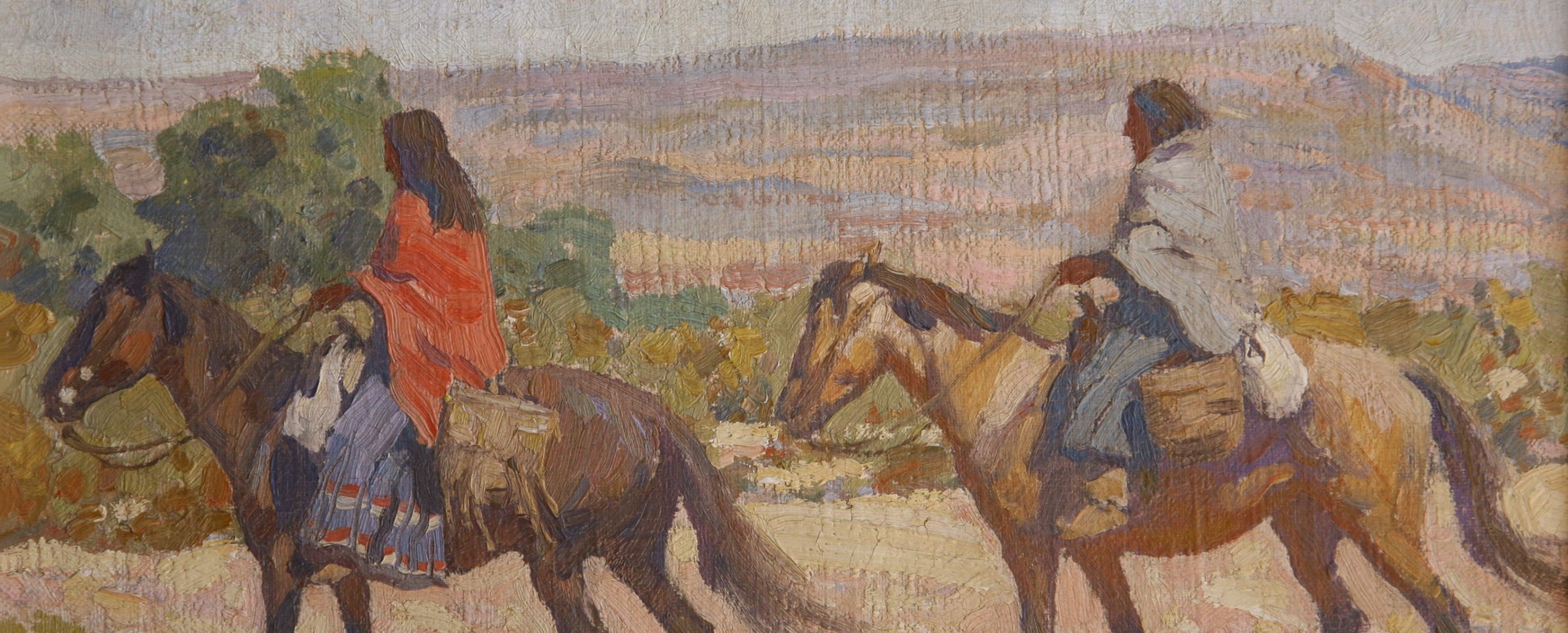
Medicine Man Gallery Auctions
Begins Friday at 12:30 pm MST and closes the following Friday at 12 pm MST. Register here for upcoming auctions and to see the current catalog of items you can bid on.
Stephen C. Datz
Visit Medicine Man Gallery for an exhibition of new works by Stephen C. Datz. Now open.
View the Show Online
Weekly Art Auction
Medicine Man Gallery is excited to invite you to our Weekly Live Auctions! Every Friday on our website a new mini-auction of 10-30 pieces will be listed. Each auction lasts for only one week.
View Auction
Art Dealer Diaries #292
Anybody that wants to get inside the brain an artist, how their methods and creativity work, and what is needed for them to create...They'll enjoy hearing this podcast with Stephen Datz.
Watch on YouTube
May 3rd – May 17th
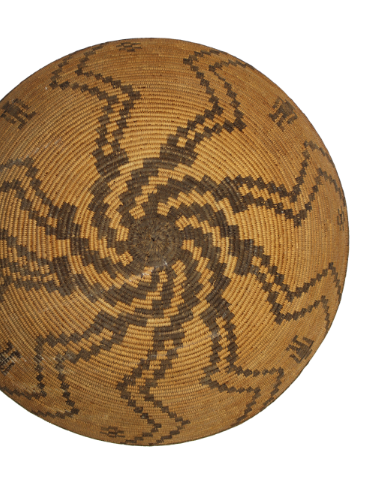
Featuring more than 200 lots including work by Louisa McElwain, Ed Mell (2), Maynard Dixon (7), Walter Ufer, E. A. Burbank (6), E. I. Couse, and more than 100 lots of Native American Pottery, Jewelry, Rugs, Blankets, and more.
Learn More
The Estate of Santa Fe Artist
Medicine Man Gallery is proud to represent the estate of Santa Fe colony artist Albert Schmidt (1885-1957).
View Available Works
April 24, 2024
Read the Essential West article about Jeffrey Gibson making history at Venice Biennale.
Read the Article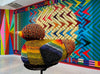
Custom Leather
Our pillow maker is retiring so this is the last collection of pillows we will be offering for sale.
View the Collection
Donate to the
The Sublette Family Foundation (501 3 c) was created to give back and support the art community and artists. Learn more about our mission.
Give Today
MMG Gift Cards
Give the gift of art with a gift card redeemable for any product at Mark Sublette Medicine Man Gallery
View Options
Begins Friday at 12:30 pm MST and closes the following Friday at 12 pm MST. Register here for upcoming auctions and to see the current catalog of items you can bid on.


Exclusive E-blast for the newest items collections. New items every Wednesday + show and auction updates

Looking for your next great read? Author Mark Sublette invites you to explore the Charles Bloom Murder Mystery Series.

Our online magazine’s primary focus is to feature relevant topics in art, literature, history, museums, lifestyle, and culture.

Pull up a chair and see the art world through the eyes of Mark Sublette, owner of Medicine Man Gallery with over thirty years in the business of buying and selling fine art. Every week, you’ll get an insider’s perspective with interviews of the unique and interesting people that make, find, collect, and deal in great art.

Explore the finest Native American Indian, Early Western, and Contemporary Western Art from wherever you are.